





Glebe Kids Climate Action Plan 2025
Our Approach
At Glebe Kids children learn best by experiencing nature. Our sustainability work fits naturally into our daily routines, outdoor learning, use of natural resources, and real-life experiences.
This Climate Action Plan outlines:
- What we already do
- Seasonal focuses (Autumn, Spring, Summer)
- Key actions under each of the DfE’s four pillars
- How we review progress
It is not a working document. It guides our year, alongside the National Education Nature Park Year Planner.
DfE Climate Pillars in Early Years Language:
PILLAR 1 - Caring for Our Environment (Adaptation & Resilience)
Meaning: Helping children feel safe, calm and confident outdoors in all seasons.
What we already do:
- Daily outdoor play
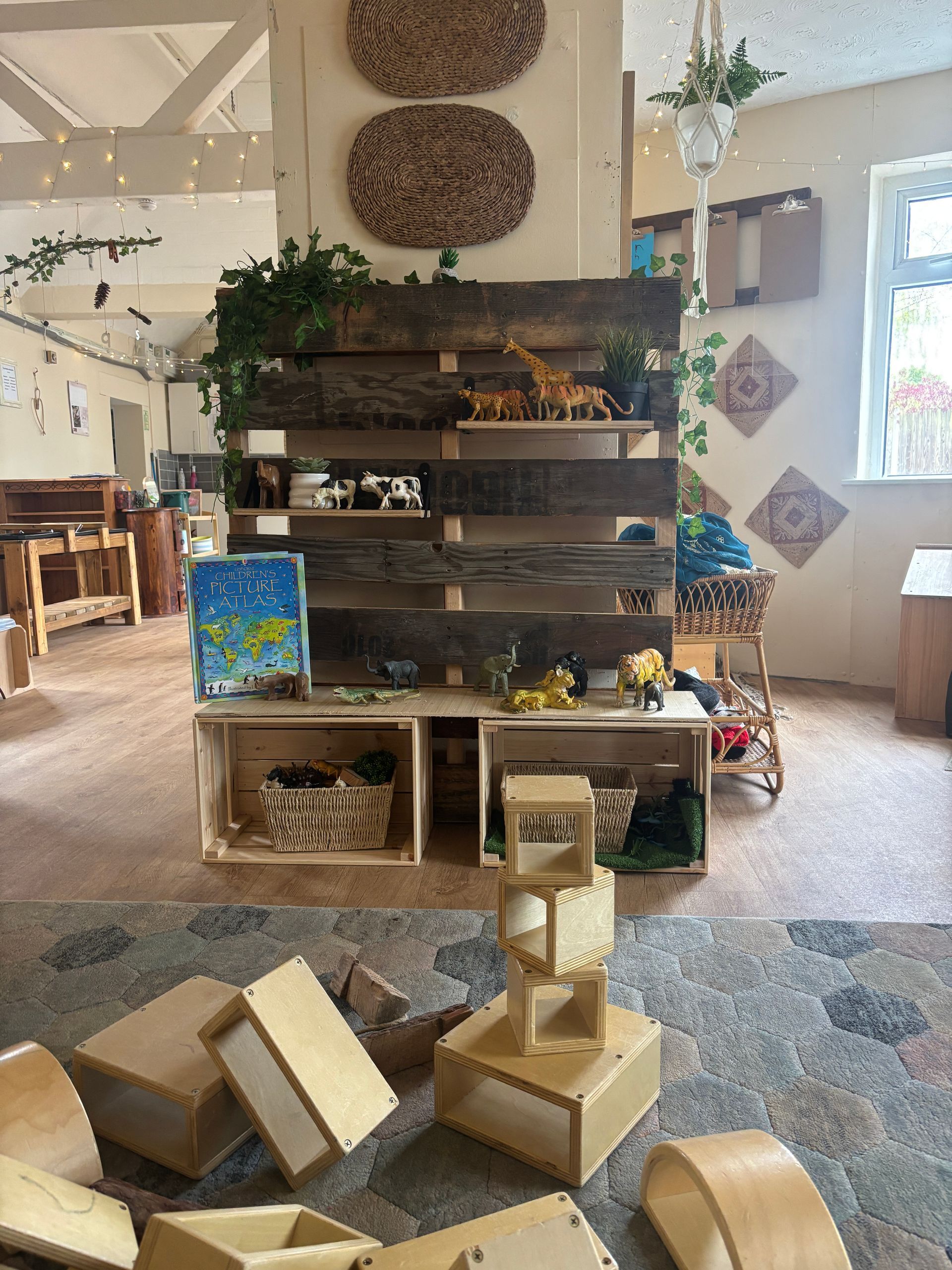
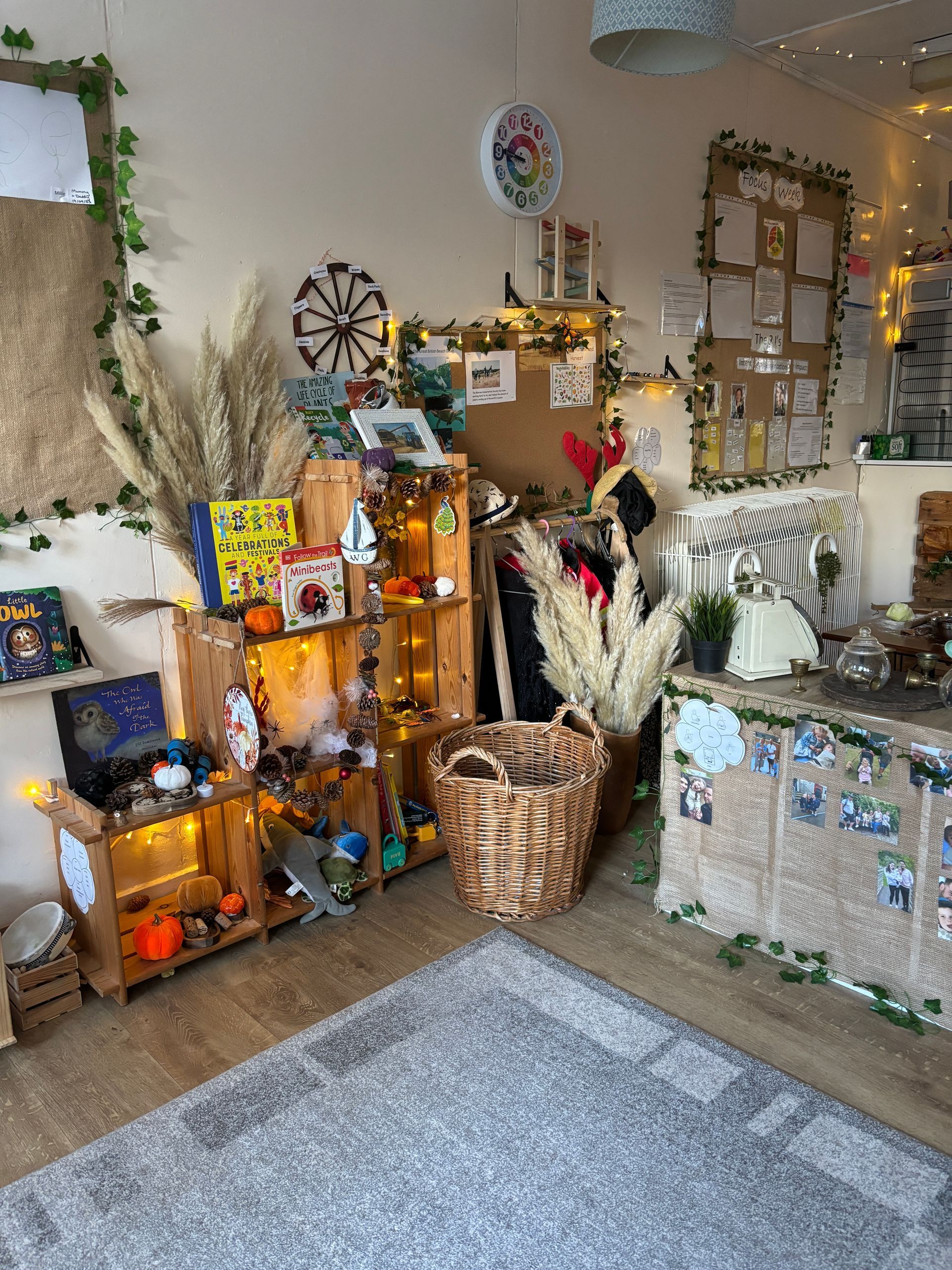
- Calm, natural indoor environment
- Teaching care for toys and natural materials
- Talking about weather and seasons
- Providing shade/warmth as needed
Seasonal focus:
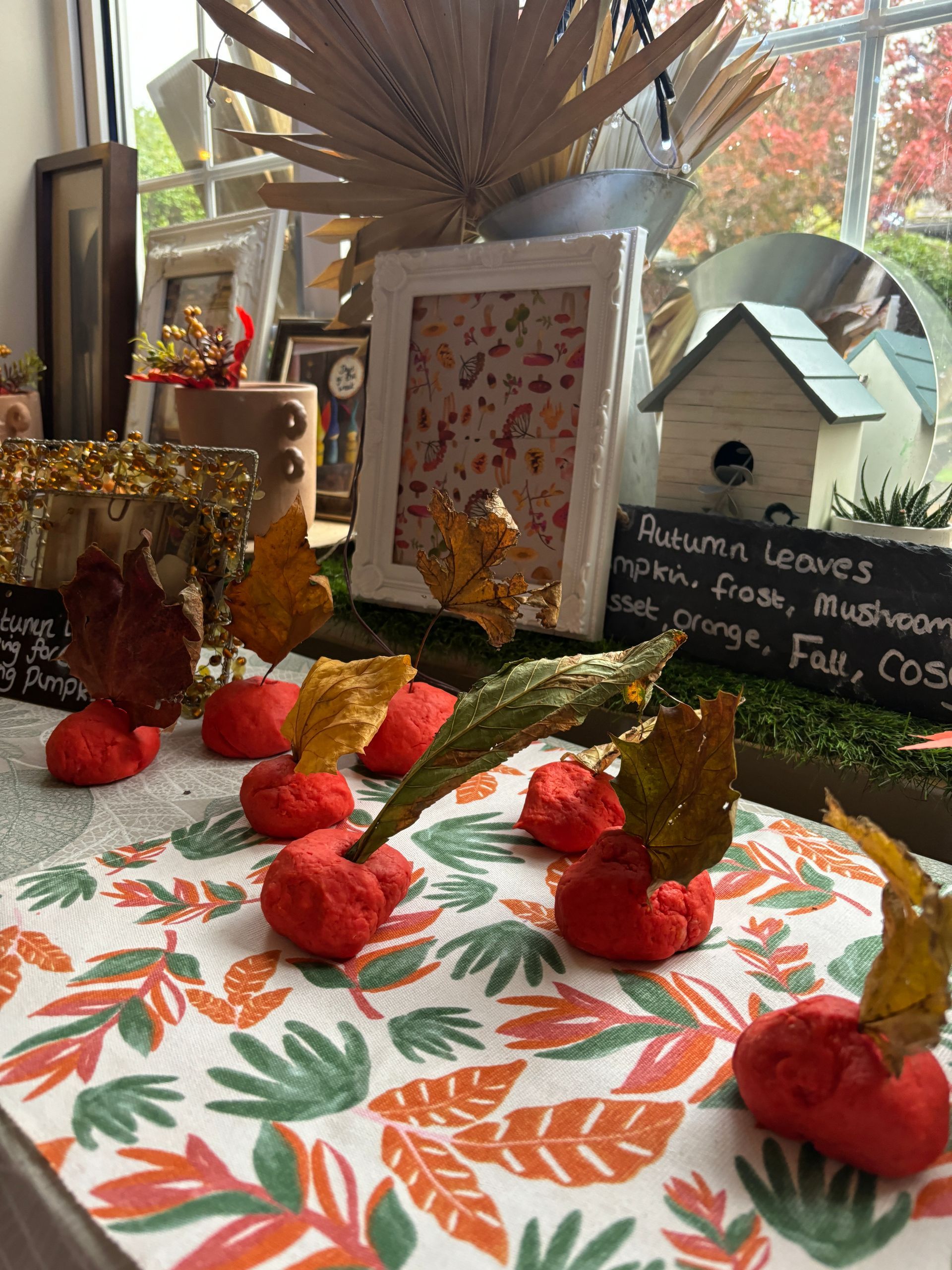
- Autumn: leaves, puddles, wind, colours
- Spring: new shoots, rain, sunshine
- Summer: shade, hydration, long grass
PILLAR 2 - Helping Nature to Grow (Biodiversity & Nature)
Biodiversity means: “All the different living things around us.”
What we already do:
- Planting with children
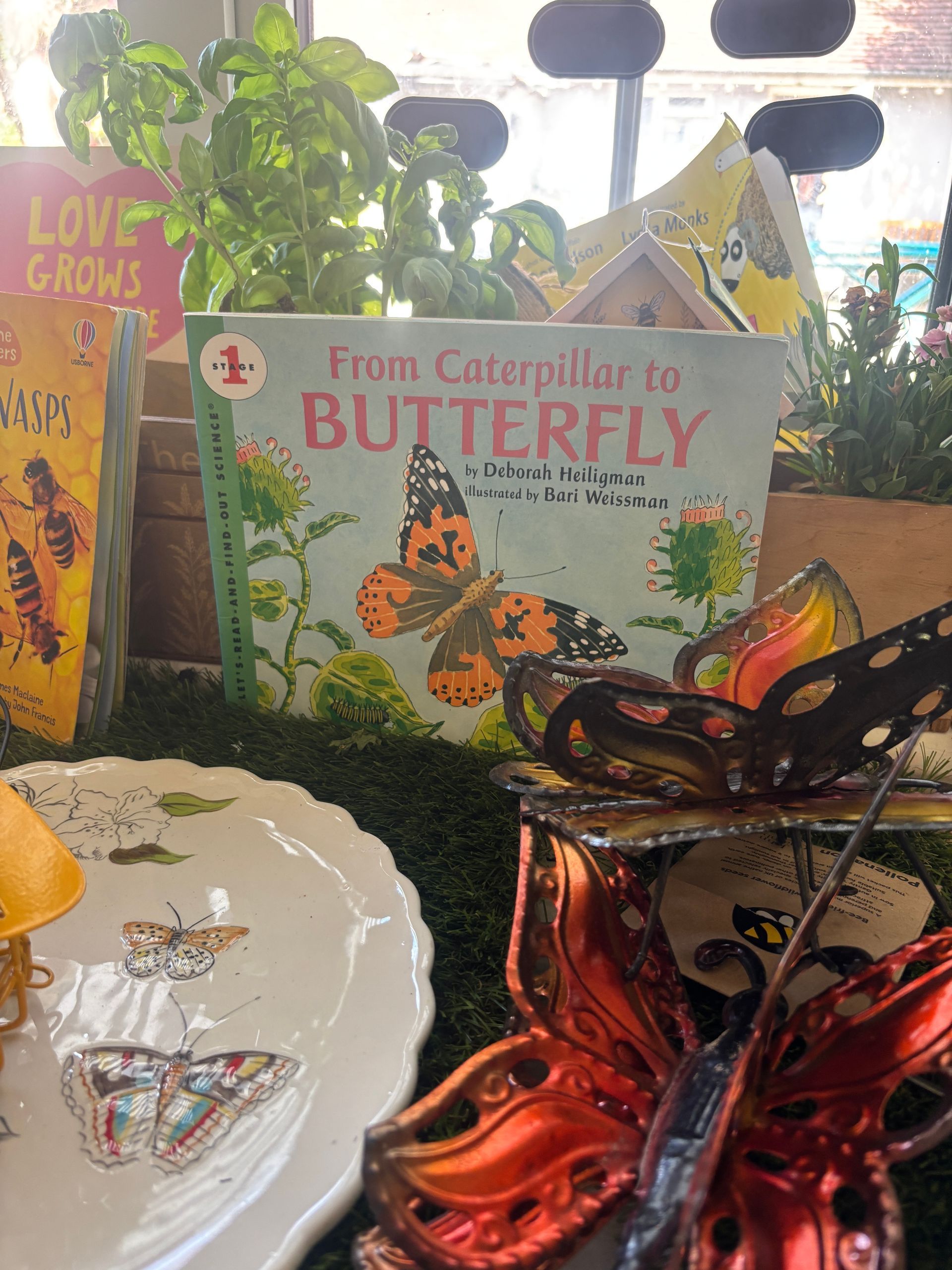
- Bug and insect exploration
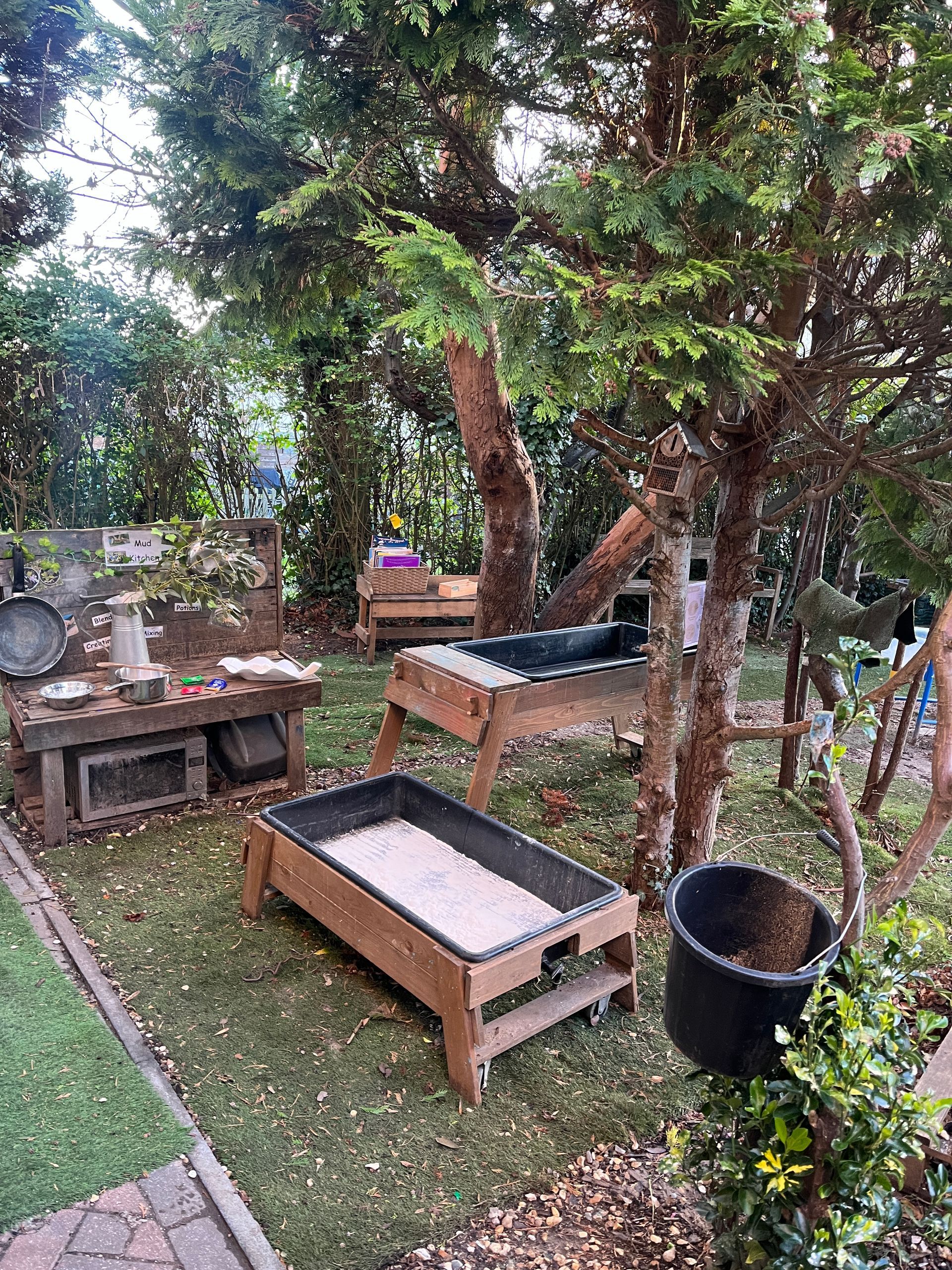
- Caring for small wildlife spaces
- Leaving wild areas
Seasonal focus:
- Autumn: plant bulbs/onions/garlic/beans, wildlife signs, simple mapping
- Spring: plant herbs/flowers/peas/potatoes, explore blossom, listen for birds
- Summer: harvest vegetables/herbs, provide water for wildlife, leave long grass
PILLAR 3 - Learning About Our World (Climate Education & Green Skills)
Meaning: Children learning through noticing, exploring and caring.
What we already do:
- Seasons, weather, gardening
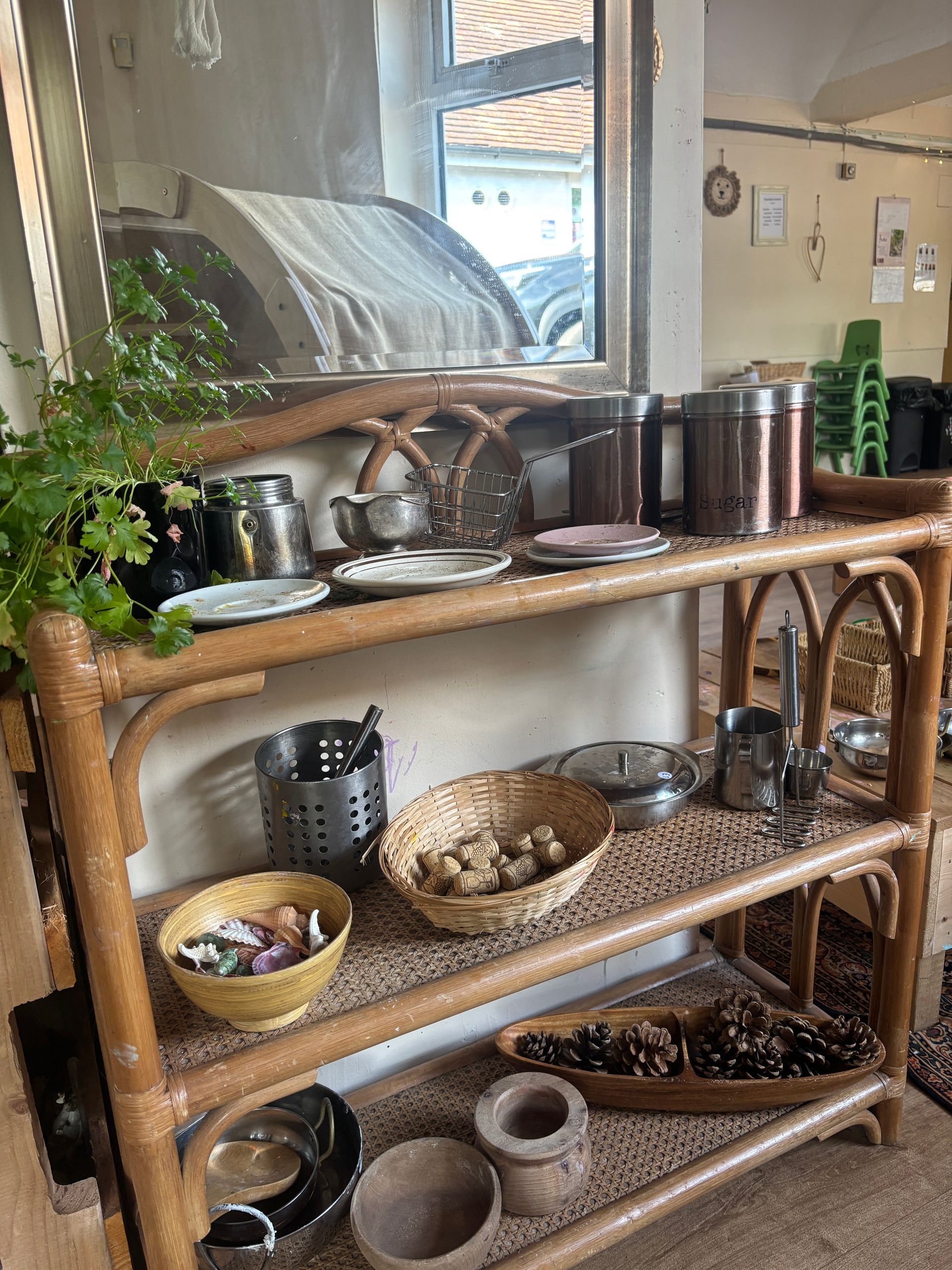
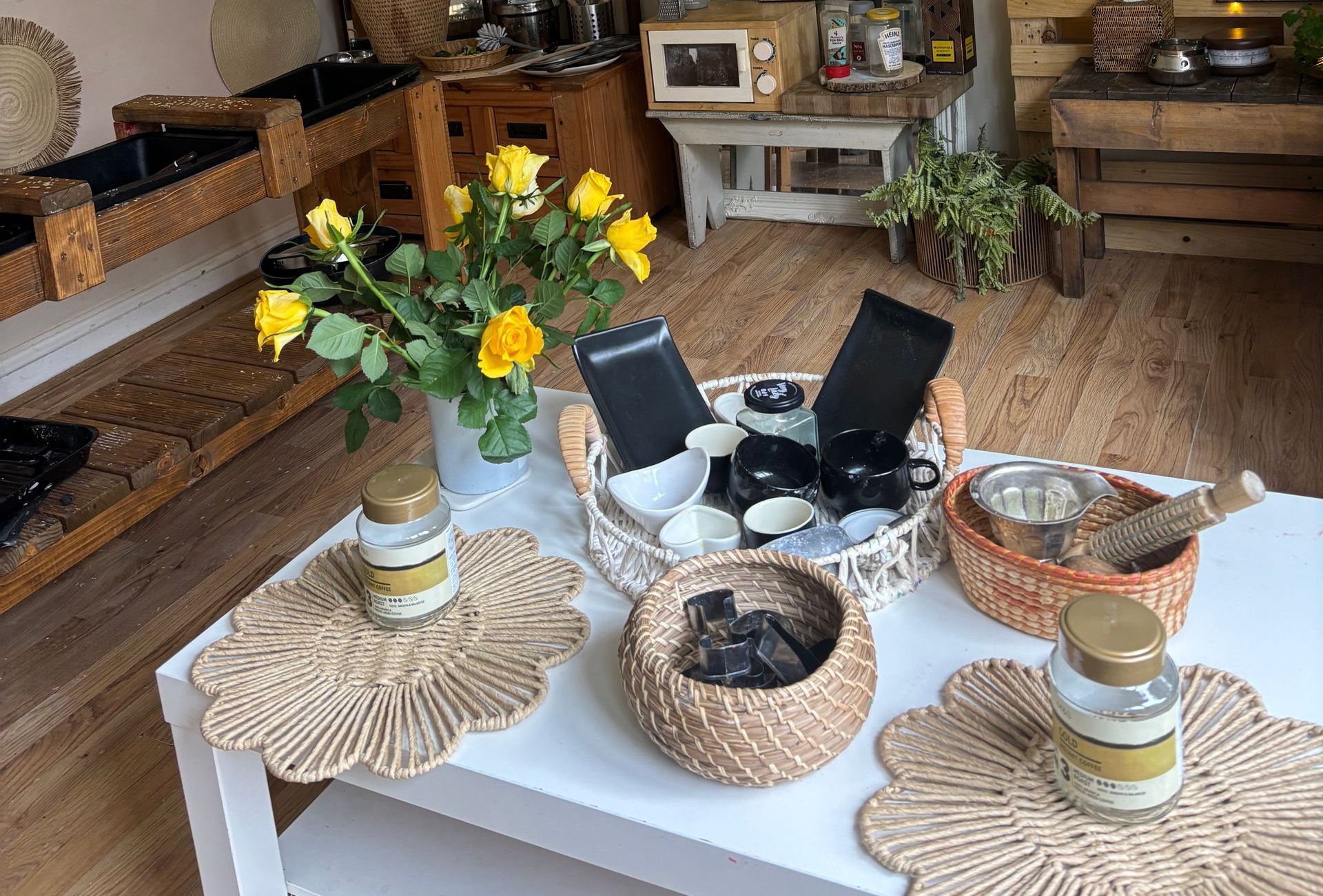
- Reusing materials
- Encouraging independence and reducing waste
Seasonal focus:
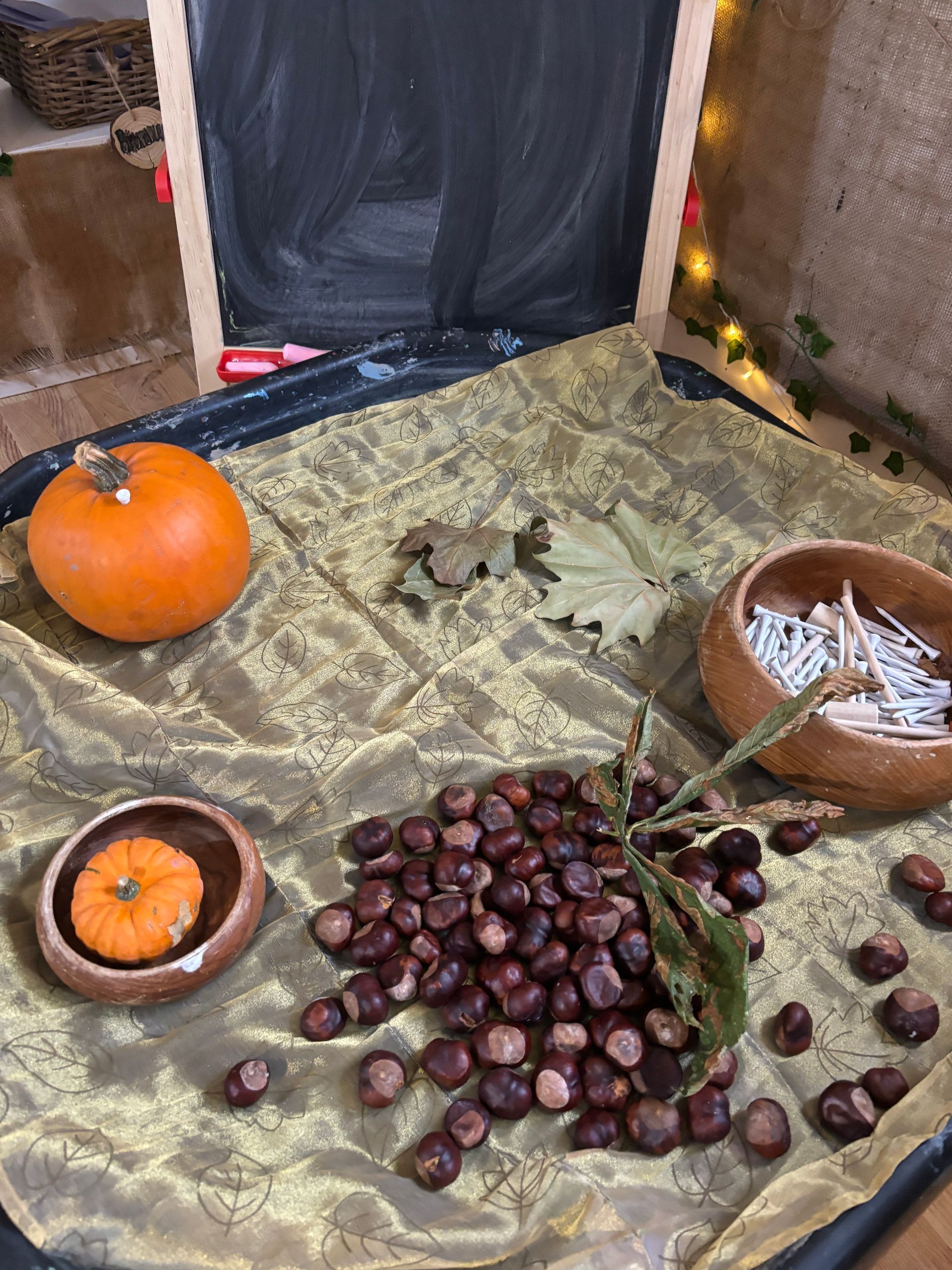
- Autumn: leaf play, nature baskets, Hidden Nature Challenge
- Spring: listening walks, Mental Health Week outdoors, Science Week activities
- Summer: simple wildlife-spotting walk in late April, Environment Day activities, drawing nature finds
PILLAR 4 - Reducing Waste & Using Less Energy (Decarbonisation)
Meaning: Using what we have, reducing waste, and saving energy safely.
What we already do:
- Recycling (cardboard, plastic, food waste)
- Using charity shop resources
- Using natural loose parts
- Turning off lights when not needed
- Minimising paper towel waste while meeting hygiene needs
Year-round actions:
- Picture labels for recycling
- Reuse basket for crafts
- Using natural light where appropriate
- Seasonal energy checks
- Using rainwater for plants when available
Term-by-Term Goals
Autumn Term Goal:
To notice seasonal changes and map our outdoor space.
How we'll get there:
- Leaf, wind and weather exploration
- Plant bulbs
- Map trees, hedges and grass areas
- Collect natural materials
Spring Term Goal:
To support new growth and children’s care for living things.
How we'll get there:
- Plant seeds, herbs and vegetables
- Listening walks
- Watering routines
- Explore insects and birds
Summer Term Goal:
To explore wildlife and enjoy our natural environment.
How we'll get there:
- Wildlife-spotting walk (late April)
- Leave grass long
- Provide water for bees and birds
- Harvest herbs and vegetables
Reviewing Our Plan
This plan is reviewed termly or as needed by the Sustainability Lead and Manager.
Evidence may include:
- Photos
- Children’s drawings or comments
- Planting logs
- Nature Park submissions
- Before/after outdoor photos
The plan is only updated when important changes occur.
Family & Community Links
We involve families by:
- Sharing nature updates in newsletters
- Inviting parent helpers for planting
- Accepting natural/second-hand donations
- Sharing simple nature activities to try at home